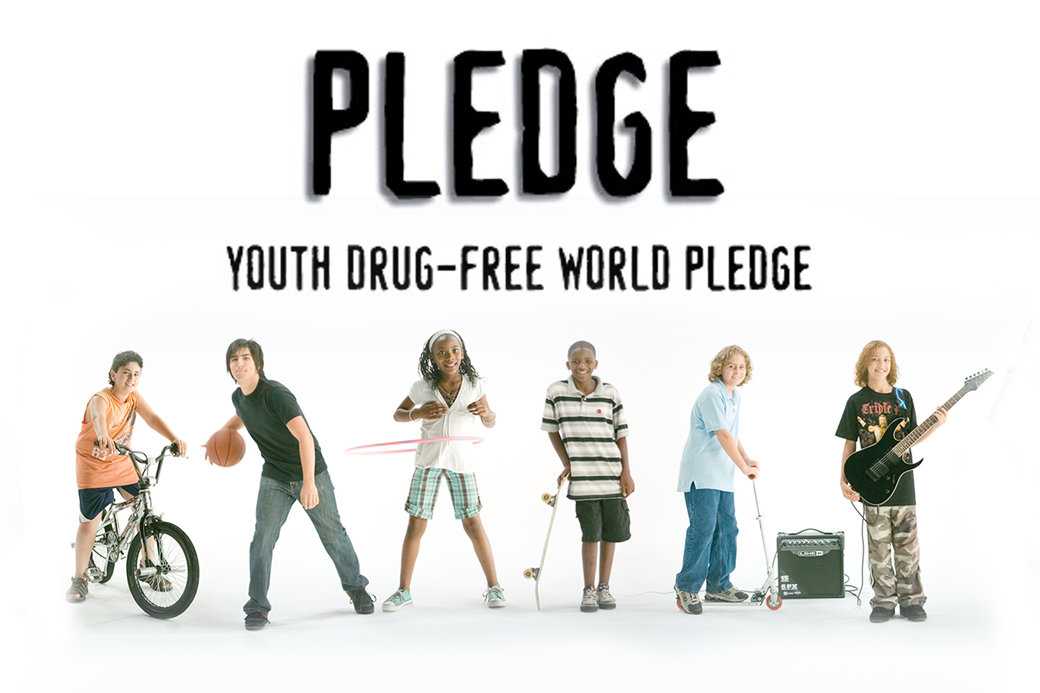
Chances are, you probably know someone who has been affected by drugs, directly or indirectly.

Our Drug Culture
Drugs have been part of our culture since the mid-20th century. They became popular in the 1960s through music and mass media, spreading into many parts of society.
Around 296 million people worldwide use illegal drugs. In the United States, results from a national survey showed that 61 million Americans (or 22 percent of the population aged 12 and older) used illegal drugs in the year before the survey.
The most commonly used—and abused—drug in the US is alcohol. Of nearly 3,000 teens killed in traffic accidents, about 1 in 5 had been drinking.
Another one of the most commonly used drugs is marijuana. According to the United Nations World Drug Report, nearly 4 percent of the world’s population between the ages of 15 and 64 abuse marijuana.
Young people today are exposed to drugs earlier than ever. Based on the Monitoring the Future survey, about 62 percent of high school seniors nationwide drank alcohol and 38 percent have smoked pot.
In Europe, recent studies among 15- and 16-year-olds show that an average of 16 percent used marijuana at least once, and more than 7 percent used it in the last month. The highest rates were reported by teens in Czechia (29 percent), followed by Italy (28 percent) and Latvia (27 percent).
My goal in life wasn’t living, it was getting high. Over the years, I turned to cocaine, marijuana and alcohol under a false belief it would allow me to escape my problems. It just made things worse. I kept saying to myself, ‘I’m going to stop permanently after using one last time.’ It never happened.” —John
It started with the weed, then the Ecstasy pills and acid, making cocktails of all sorts of drugs, even overdosing to make the rushes last longer. I had a bad trip one night. I prayed and cried for this feeling to go away. I had voices in my head, had the shakes and couldn’t leave home for six months. I thought everyone was watching me. I couldn’t walk in public places. Man! I couldn’t even drive.
“I ended up homeless and on the streets, living and sleeping in a cardboard box, begging and struggling to find ways to get my next meal.” —Ben
Why Do People Take Drugs?
Basic Facts About Commonly Abused Drugs
Marijuana
Alcohol
Fentanyl
Synthetic Drugs
Ecstasy
Cocaine & Crack Cocaine
Crystal Meth & Methamphetamine
Inhalants
Heroin
LSD
Prescription Drug Abuse
What Dealers Will Tell You
How much do you really know about drugs?
Updated: