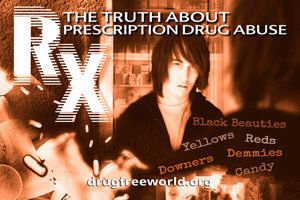
Prescription Drug Abuse

Painkillers, tranquilizers, antidepressants, sleeping pills and stimulants may seem “safe” because they are prescribed by doctors, but they can be just as addictive and dangerous as drugs sold on the street. The painkiller OxyContin, for example, is as powerful as heroin and affects the body in the same way. Continued use of painkillers, depressants (“downers”), stimulants (“uppers”) or antidepressants can lead to addiction—and painful withdrawal symptoms when trying to quit.
It is important to note that any pill sold illegally, no matter how authentic it looks, could have been produced by drug traffickers who may have added a deadly dose of fentanyl. In one year, more than 80 million fake pills laced with fentanyl were seized in the USA. Seven out of 10 of these pills contained enough fentanyl to kill a person. Just some of the effects of these drugs are listed here.
Painkillers: OxyContin, fentanyl, morphine, Percodan and Demerol are a few of a long list of painkillers. Effects can include slowed breathing, nausea and unconsciousness. Abuse can lead to addiction.
Depressants: These drugs, which slow down brain and nervous system activity, include Xanax, Zyprexa, Valium and many others. Effects can include heart problems, weight gain, fatigue* and slurred speech. Continued use can lead to addiction.
Stimulants: These drugs speed up heart rate and breathing, similar to methamphetamine or cocaine. Examples include “study drugs” like Ritalin, Adderall, Concerta and drugs known as bennies. Effects include increased blood pressure and heartbeat, hostility and paranoia.
Antidepressants: Common examples include Prozac, Paxil, Zoloft and Celexa. Effects can include irregular heartbeat, paranoid reactions, violent or suicidal thoughts and hallucinations. Long-term use can lead to addiction.
* fatigue: extreme physical or mental tiredness
How much do you really know about prescription drug abuse?
Updated: