Cocaine & Crack Cocaine

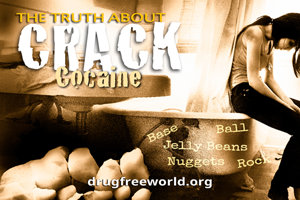
Cocaine is a powdered drug that can be taken orally or snorted through the nose. To ingest the drug more quickly, it is sometimes dissolved and injected with a syringe, which greatly increases the risk of overdose. Crack cocaine is made by processing powdered cocaine with water, baking soda or ammonia to create small, hard rocks. It is smoked to provide a fast, immediate high.
Cocaine is refined from the leaves of the coca plant. Stimulant drugs like cocaine can quickly lead to psychological and physical dependence.
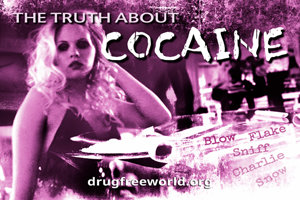
Street Names:
- Charlie
- Coke
- Crack
- Flake
- Rocks
- Sniff
- Snow
Short‑Term Effects:
Cocaine causes a brief, intense high that is immediately followed by the opposite—intense feelings of depression and edginess and a craving for more of the drug. People who use it often don’t eat or sleep properly. They may have a very fast heart rate, muscle spasms and convulsions. The drug can make people feel paranoid, angry, hostile and anxious, even when they aren’t high.
Long‑Term Effects:
After extended use, cocaine can lead to irritability, mood problems, restlessness, paranoia and auditory (hearing) hallucinations. People develop a tolerance for the drug, meaning they need more to get high. Chronic use can also cause nerve damage, stroke and muscle breakdown.
Coming down from cocaine causes severe depression, which becomes worse with each use. This depression can get so severe that a person will do almost anything to get the drug—even commit murder. If they can’t get cocaine, the depression can get so intense it can drive the addict to suicide.